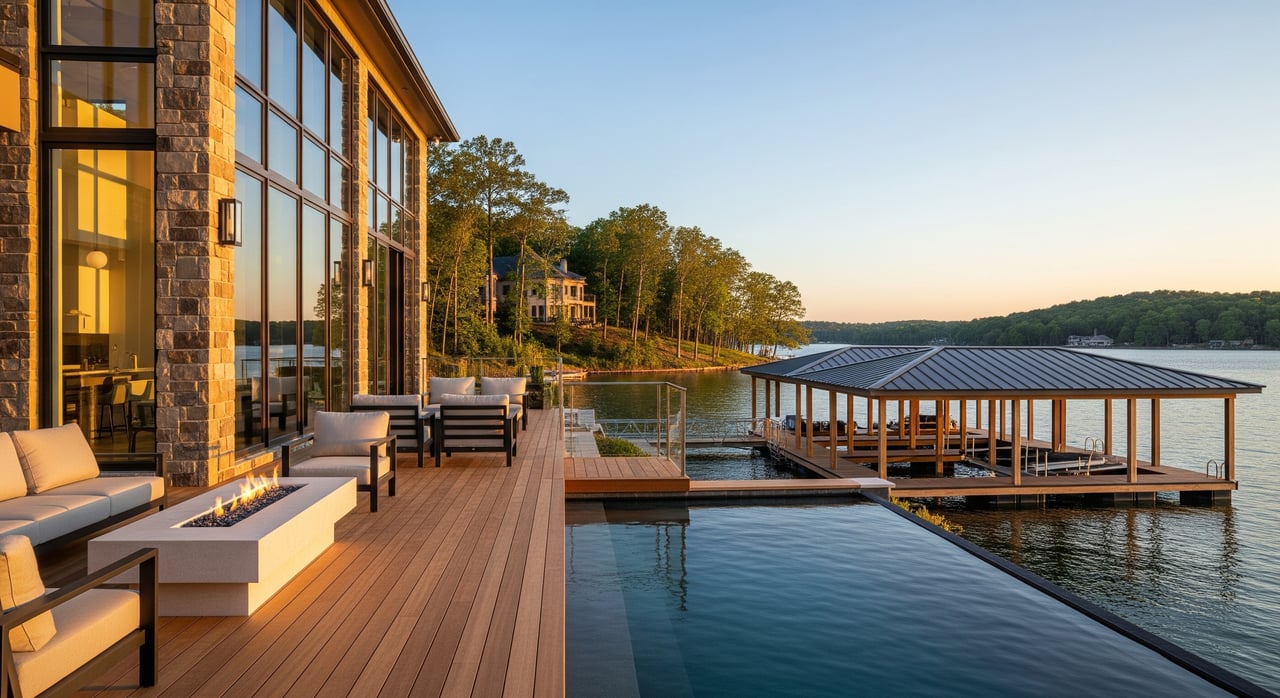
Debating a Lake Norman view or a lower‑maintenance interior home in Denver? You are not alone. Many buyers in 28037 weigh the lifestyle of a private dock against the predictability of an off‑water lot. In this guide, you will learn the real cost drivers, boat‑slip options, maintenance risks, and resale tradeoffs specific to Denver on Lake Norman, plus practical checklists you can use at showings and when writing offers. Let’s dive in.
Denver 28037 market basics
Denver sits on the western shore of Lake Norman in Lincoln County, where limited waterfront parcels and strong lifestyle demand shape pricing. Proximity to Charlotte keeps both commuter and second‑home interest steady. Waterfront inventory is scarce compared with interior homes, which affects comps, liquidity, and how appraisals are handled. Understanding these local dynamics helps you set the right budget and expectations from the start.
Total cost of ownership: what changes
Upfront price premium
- Waterfront homes often command a premium versus similar interior properties. The size of that premium depends on lot size, water depth, view, dock quality, and local demand in your part of Lake Norman.
- Compare recent Denver comps by price per finished square foot and land value, not just list price, to see the true premium for a specific address.
Annual costs to budget
- Property taxes can be higher for waterfront because values are often higher. Review the most recent tax bill for each property you are comparing.
- Homeowners insurance typically costs more on the water. Standard policies exclude flood. Lenders may require separate flood insurance if the parcel sits in a mapped flood zone.
- HOA, marina, or community dock dues may apply, and some communities operate waitlists for slips.
- Utilities and septic: some waterfront lots use septic systems. Plan for periodic pumping and maintenance if not on public sewer.
Capital and irregular costs
- Dock, boatlift, and shoreline work: repairs or replacement of pilings, decking, floats, bulkheads, seawalls, and riprap can be significant. Permits can add cost and time.
- Shoreline stabilization or erosion control may be necessary in some areas.
- Inspection, permit, and contractor fees can vary widely based on scope and timing.
How to compare two homes
- Build a line‑item comparison that includes insurance quotes, the most recent tax bills, HOA or marina fees, and an annual allowance for dock or shoreline capital work.
- Ask for contractor estimates if inspections reveal dock or seawall issues. Use those numbers to negotiate.
Boat access on Lake Norman
Private dock
- Pros: maximum convenience and control, strong lifestyle appeal, and potential resale lift.
- Cons: largest maintenance and permitting responsibility, exposure to storm damage, and added liability.
Community docks
- Pros: shared maintenance and fewer permitting tasks for you.
- Cons: limited availability, rules on use and transferability, and possible waitlists with recurring fees.
Commercial marinas
- Pros: predictable slip access when a private dock is not possible or when you need a larger slip.
- Cons: monthly fees and travel time from home to the marina.
Permits and ownership limits to verify
- Confirm that riparian rights transfer with the lot and whether a private dock is allowed at that location.
- Check whether existing dock structures were permitted, if permits are current, and if they transfer with the sale.
- Contact Lincoln County Planning & Inspections and the lake’s shoreline manager to verify rules for docks, lifts, seawalls, and shoreline changes. Review any HOA or deed restrictions that affect dock use or rentals.
Maintenance and risk checklist
Structural and shoreline items
- Inspect dock pilings, decking, fasteners, floats, and boatlifts. Note any leaning, corrosion, or missing components.
- Evaluate bulkheads, seawalls, and riprap for settling, undercutting, or displaced stone.
- Look for erosion indicators like exposed roots or sediment deposits.
- Confirm water depth at normal levels, boat swing room, and potential obstructions from neighboring docks.
Environmental and regulatory
- Understand buffer and setback rules and any limits on shoreline hardening that apply in Lincoln County or from the lake manager.
- If the property uses septic, request inspection and pumping records. Failures can be costly.
Storm, insurance, and liability
- Lakefront homes see wind and wave exposure during major storms. Flooding can damage docks and shorelines.
- Standard homeowners policies exclude flood. Verify flood zone status and confirm coverage availability and cost with an insurer.
- Consider umbrella liability coverage if you have a dock or outbuildings.
Resale and appraisal tradeoffs
- Buyer pool: interior homes appeal to a broader range of buyers, which can aid resale in balanced markets. Waterfront draws highly motivated lifestyle buyers, which can shorten time to sell in strong markets but may take longer in softer cycles.
- Appraisal complexity: unique waterfront features and limited comps can challenge appraisals. Be prepared for appraisal risk on distinctive properties.
- Value drivers: dock quality, usable shoreline, frontage, water depth, view orientation, proximity to marinas and amenities, and the ability to have a private dock all influence resale. Clear maintenance records and permits build buyer confidence.
- Rental considerations: if you plan to rent, review community and county rules and expect seasonal swings in demand and costs.
A quick anecdote to illustrate risk: buyers sometimes win a waterfront home only to learn later that a prior dock addition was never permitted, creating closing delays. The fix is doable, but it often requires updated permits, contractor time, and negotiation for repair credits. Strong upfront diligence reduces surprises and keeps your timeline intact.
10‑year budget snapshot: side‑by‑side
| Cost category | Waterfront in 28037 | Off‑water in 28037 |
|---|---|---|
| Purchase price | Often higher due to lot, view, water depth, and dock | Lower relative to similar size and finish |
| Property taxes | Typically higher when assessed value is higher | Typically lower with broader comps |
| Home insurance | Higher on average; flood may be required by lender | Lower on average; flood rarely required |
| HOA/marina fees | Possible HOA dock fees or marina slip rent | HOA dues only, if applicable |
| Utilities/septic | Some lots on septic; plan for pumping | More likely to be on public sewer in many areas |
| Dock/shoreline capex | Periodic dock, lift, seawall, riprap projects | Not applicable |
| Storm exposure | Wind/wave impacts can add risk | Lower exposure on average |
| Resale liquidity | Smaller, motivated buyer pool; premium varies | Broader buyer pool; easier comps |
Use this table to frame questions, then plug in real numbers from tax bills, insurance quotes, HOA or marina schedules, and contractor estimates for dock or shoreline work.
Showing checklist: waterfront focus
Bring this list to each showing and request documents early.
- Legal and title
- Confirm that riparian rights transfer. Ask for dock permits, easements, and any community dock agreements.
- Request the latest property tax bill and HOA or deed covenants.
- Dock and shoreline
- Walk the dock and lift. Note decking, pilings, hardware, floats, and alignment.
- Inspect bulkhead or riprap and look for erosion or recent patch repairs.
- Note water depth at normal levels and any shoaling or obstructions.
- Utilities and systems
- Confirm septic versus sewer. If septic, ask for inspection and pumping records.
- Look for yard drainage issues and areas of standing water.
- Insurance and flood
- Ask if the parcel lies in a FEMA flood zone and request prior flood policy and claims history if available.
- Lifestyle details
- Observe boat traffic and noise at different times, speed‑restricted zones, and proximity to marinas or busy channels.
- Documents to request
- Dock permits and plans, recent maintenance invoices, septic records, HOA dock rules and fee schedule, and a survey showing shoreline improvements.
Offer strategy checklist
Use targeted contingencies that match waterfront risks.
- Inspections
- General home inspection, plus a marine contractor or engineer for the dock and lift.
- Shoreline assessment for seawalls, bulkheads, or riprap.
- Septic inspection and dye test if applicable.
- Permits and title
- Contingency to verify current, transferable dock permits and compliance.
- Survey contingency to confirm lot lines, waterline boundaries, and dock placement.
- Appraisal and financing
- Appraisal contingency or plan for appraisal risk if you waive it. Share recent waterfront comps with your lender and appraiser.
- Repair credits and escrow
- Request seller credits or price adjustments for dock or shoreline work identified in inspections, using written estimates.
- Inclusions
- Clarify whether docks, lifts, mooring hardware, and related equipment convey and in what condition.
- Timing and insurance
- Consider seasonality for permit or contractor lead times. Add a contingency to secure insurance quotes, including flood if required.
Which fit is right for you?
Choose waterfront if you value daily access to the lake, are comfortable with variable maintenance and insurance costs, and want the lifestyle and resale features that come with permitted dock access. Choose off‑water if you prefer predictable upkeep, a broader buyer pool for future resale, and lower annual carrying costs. Either way, a parcel‑specific budget and permit review will point you to the best value for your needs.
If you want a line‑by‑line comparison for a Denver address, a slip strategy, or a permit and inspection roadmap, our local team can help you move forward with clarity. Reach out to Christy Walker for a personalized Lake Norman market consultation.
FAQs
What costs make waterfront ownership higher in Denver 28037?
- Expect a purchase premium, potentially higher taxes and insurance, possible flood coverage, HOA or marina fees, and periodic dock or shoreline capital work.
How do I know if a private dock is allowed on a Lake Norman lot?
- Verify that riparian rights transfer, confirm current dock permits and transferability, and check county and lake shoreline rules before you remove contingencies.
Do I need flood insurance for a Lake Norman waterfront home?
- Lenders require flood insurance if a parcel lies in a FEMA Special Flood Hazard Area. Confirm the map status for the exact address and get quotes early.
What if the appraisal comes in low on a waterfront home?
- Unique features and limited comps can challenge appraisals. Keep an appraisal contingency or plan cash to bridge a gap, and provide the lender with recent waterfront comps.
How can I get a boat slip without a private dock?
- Look for community docks with available slips or consider a commercial marina. Review fees, waitlists, transfer rules, and commute time from the home to the slip.