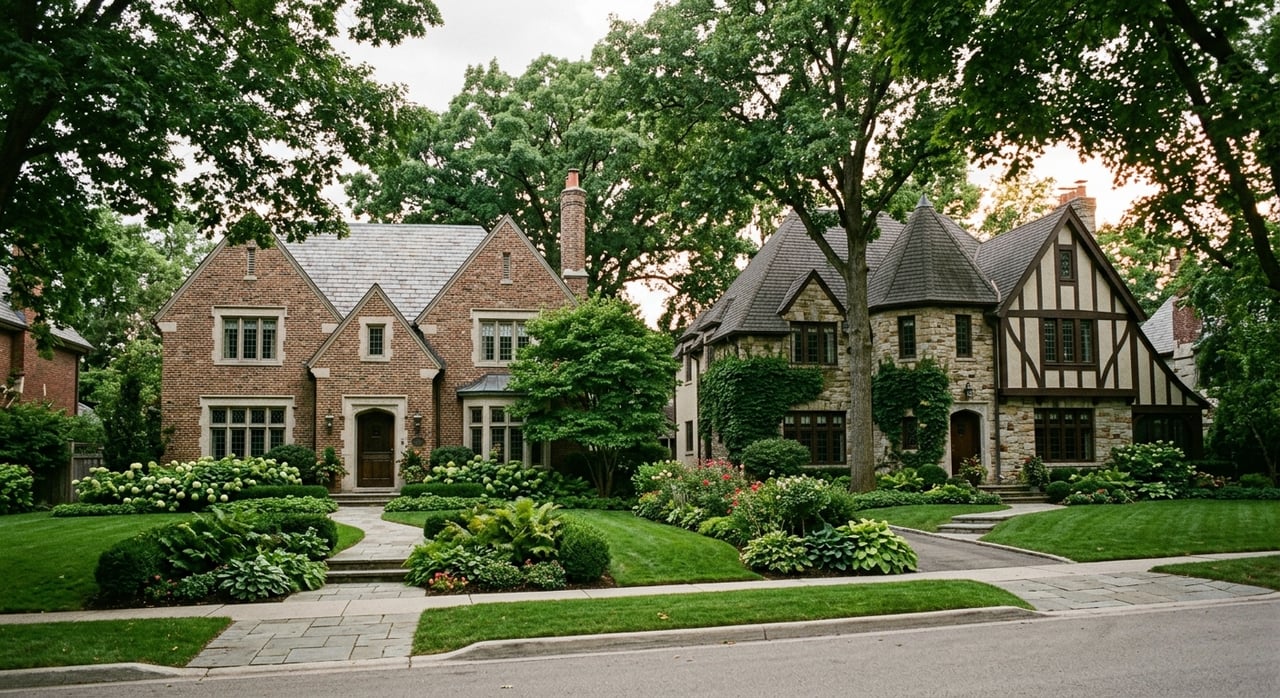
Thinking about moving to Cornelius? You are not alone. For many buyers, this Lake Norman town stands out because it offers a balance that can be hard to find: lake-driven lifestyle, established neighborhoods, commuter convenience, and a housing mix that reaches beyond just luxury waterfront homes. If you are trying to figure out whether Cornelius fits your budget, routine, and long-term goals, this guide will help you make sense of the market and what daily life may look like. Let’s dive in.
Why buyers choose Cornelius
Cornelius sits in northern Mecklenburg County, about 10 miles outside Charlotte, which makes it appealing if you want access to the city without giving up a more lake-centered setting. According to Cornelius town materials, the town covers about 15 square miles and includes roughly 70 miles of shoreline.
That setting shapes more than the view. It influences the pace of life, the housing choices you will see, and the kind of amenities that matter when you compare one area of town to another. Census QuickFacts estimates the July 2024 population at 34,366 and reports a median household income of $113,767, an owner-occupied housing rate of 69.5%, and a mean commute time of 25.4 minutes, all of which point to a stable suburban market with strong owner occupancy.
What Cornelius feels like day to day
Cornelius is not just a lake town for weekend visits. It is a full-time residential community with parks, commuter patterns, and a wide range of neighborhood styles. Many residents commute toward Charlotte, and the town’s reported average travel time suggests a practical drive for many households rather than a far-out exurban trek.
At the same time, daily life here often includes easy access to outdoor space. The 2023 annual report for Cornelius notes 14 public parks and two recreation centers. The town also highlights destinations like Jetton Park, the Northern Regional Recreation Center, and the Emerald Necklace loop, which is about 13 miles and more than three-quarters complete.
Cornelius housing at a glance
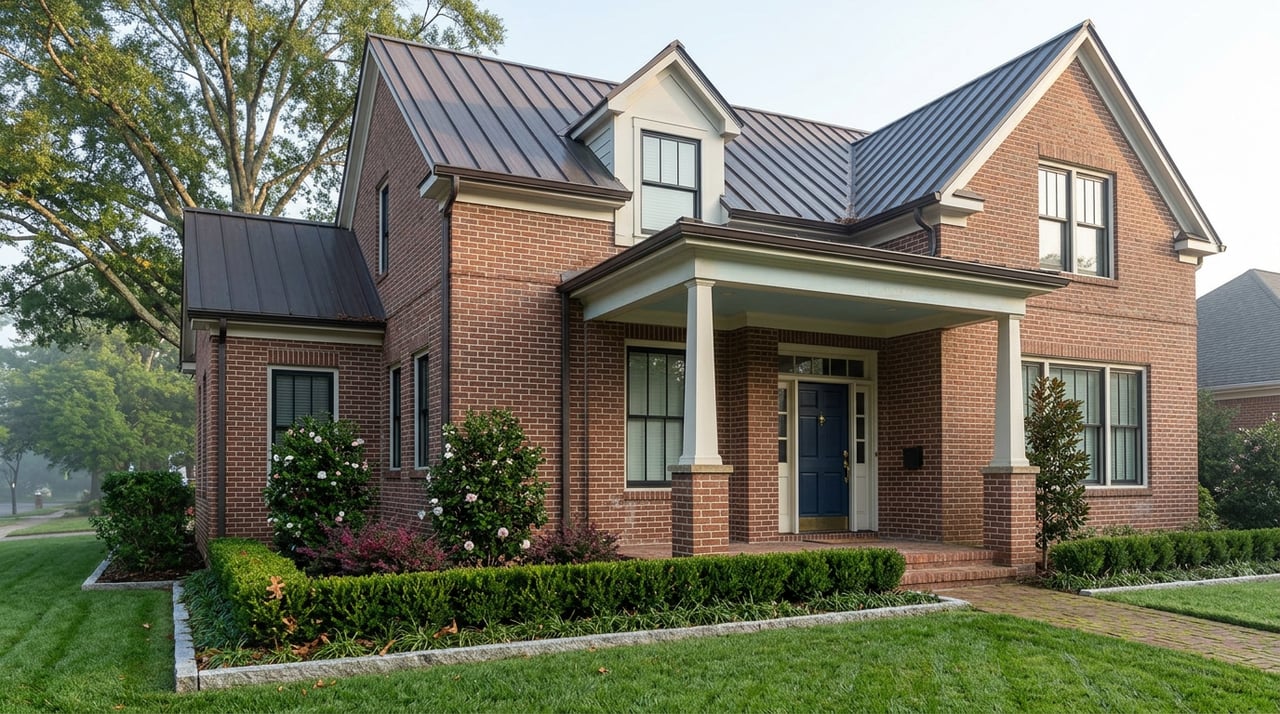
If you are relocating, one of the biggest surprises may be how varied the housing stock is. While Cornelius has a strong luxury reputation because of its lakefront communities, the broader housing picture is more balanced.
A North Mecklenburg housing report shows the area as roughly 67% single-family detached, 17% apartments, 7% townhomes, and 6% condos, with 73% owner occupancy. The same report says the average home in the broader study area was about 24 years old, around 2,537 heated square feet, and typically had 3 bedrooms. Cornelius itself had 14,878 housing units in the 2023 count used by that report.
For you as a buyer, that means Cornelius is not one-note. You can find detached homes in established subdivisions, attached options that may offer a lower entry point, and premium lake-oriented communities with private amenities.
Neighborhood types you will see
Cornelius includes several distinct neighborhood patterns, and knowing the difference can help you narrow your search faster.
Lake and golf communities
Some of the town’s best-known neighborhoods are tied closely to the lake. The housing report identifies The Peninsula as the town’s largest subdivision at about 750 units, and it places much of Cornelius’ later 20th-century lakefront development in The Peninsula and nearby Knox Road neighborhoods.
These areas often appeal to buyers who want stronger ties to boating, club life, or shoreline access. They also tend to sit at a different price level than the town as a whole, so it helps to separate “Cornelius” from “premium waterfront Cornelius” when you set expectations.
Traditional and mixed subdivisions
If you want a neighborhood feel with a mix of home types, Cornelius has that too. The same housing report notes that Heritage Green and Antiquity each have about 500 units, and it identifies Antiquity plus downtown Cornelius as mixed-housing neighborhoods.
For relocation buyers, these areas can be useful starting points because they may offer a blend of housing formats, established streetscapes, and proximity to daily errands. That flexibility can be especially helpful if you are still deciding between a detached home and a lower-maintenance option.
Older in-town pockets
Cornelius also has older neighborhood areas that add another layer to the market. The report describes Smithville and Olde Mill Village as pre-1950 neighborhoods, with several mid-century neighborhoods north of Catawba Avenue.
These parts of town can feel different from newer planned developments. Lot patterns, architecture, and street layout may be less uniform, which can matter if you value character or want to compare older homes with updated newer construction.
Newer edge growth
If you prefer newer development, the report says more recent neighborhoods tend to appear along the edges of town, including Mays Hall and Cambridge Square. These areas may attract buyers looking for newer finishes, more current floor plans, or a predictable neighborhood layout.
What homes cost in Cornelius
Cornelius does not have a single price point. Instead, the market spans a fairly wide range depending on home type, age, location, and lake access.
The U.S. Census QuickFacts for Cornelius lists a 2020-2024 median value of owner-occupied homes at $559,400. Additional market snapshots in the research place more recent median sale pricing in the low-to-mid $500,000s, which supports the idea that the townwide market is broadly centered in that range.
Attached housing can come in lower than many detached homes. Recent Cornelius examples in the research include townhomes listed around $450,000 and $485,000. On the higher end, The Peninsula reaches a very different pricing tier, with the neighborhood market snapshot in the research showing a median sale price around $1.8 million.
A simple way to think about pricing
When you shop in Cornelius, it helps to break the market into three broad buckets:
- Attached homes and some lower-maintenance options that may offer a more approachable entry point
- Mainstream single-family homes that reflect much of the town’s core suburban market
- Premium lake-oriented and waterfront communities where pricing can rise quickly based on shoreline, views, and amenity access
This approach can keep you from comparing homes that live in completely different market segments.
Lake access is not all the same
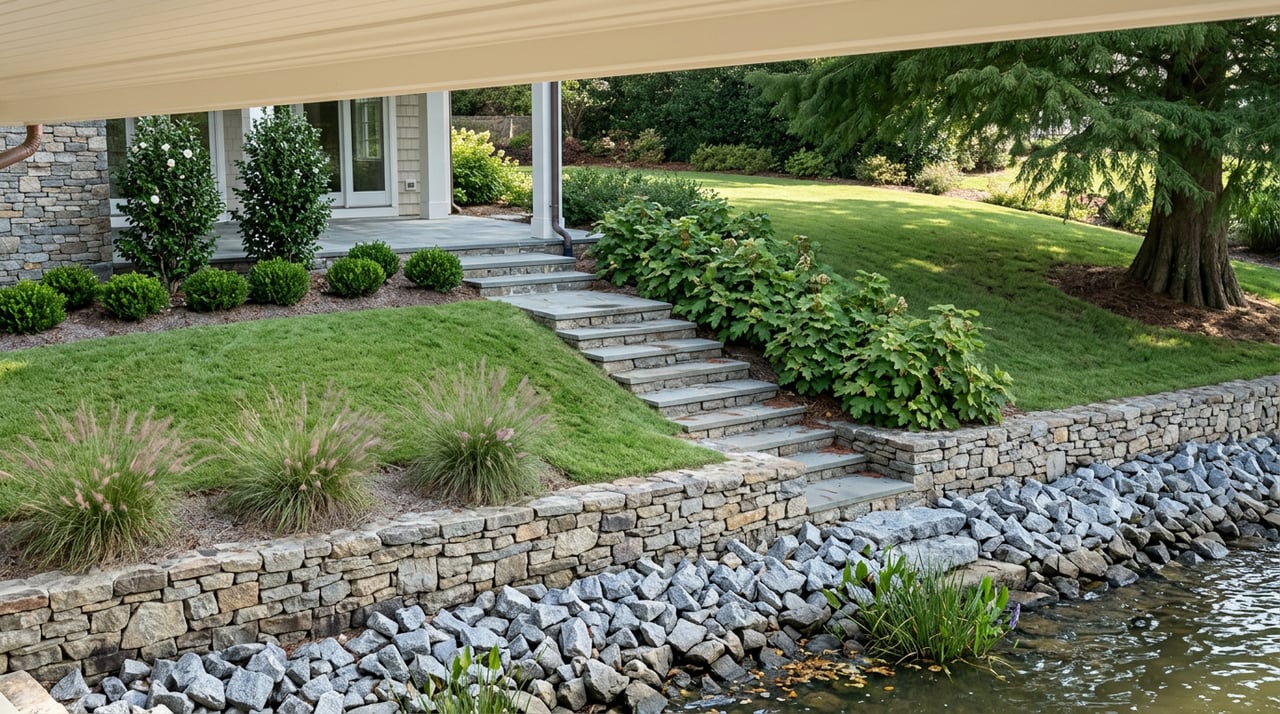
One of the biggest relocation mistakes in Cornelius is assuming that living near Lake Norman means you will automatically have easy water access. In reality, access often depends on the specific neighborhood, marina options, or county park facilities.
For public access, Ramsey Creek Beach at Ramsey Creek Park is a major local resource. Mecklenburg County describes it as a 46-acre waterfront beach with boat-launch opportunities, docks, a fishing pier, trails, a dog park, and a volleyball court. The county also notes four boat ramps, with fees that vary by entry type.
Private access can look very different. In premium communities, convenience may come through club or marina membership rather than through public shoreline. The research highlights amenities connected to The Peninsula Club and marina options at Safe Harbor Peninsula Yacht Club and Morningstar Marinas at Crown Harbor.
The key takeaway is simple: proximity to the lake is not the same as practical lake use. If boating, storing a boat, or quick launch access matters to you, that should be part of your home search from the start.
HOAs and neighborhood rules matter
Cornelius has many planned communities, and that can be a plus if you value consistency. The housing report notes that developments governed by property management companies or HOAs are almost always a single housing type, which can make the neighborhood feel more predictable in terms of appearance, maintenance standards, and expectations.
That same predictability also means you should review the rules carefully. Before you narrow your short list, it is smart to ask about:
- HOA dues
- Architectural guidelines
- Exterior maintenance responsibilities
- Rental restrictions
- Amenity access
- Boat slip, dock, or marina arrangements if relevant
If you are relocating from another market, these details can affect both lifestyle and long-term flexibility.
Getting around from Cornelius
Most buyers moving to Cornelius should expect driving to remain the main transportation mode. The town’s location, about 10 miles outside Charlotte, supports a commuter pattern that works well for many households who want city access without living in the middle of it.
Transit may still be more useful than you expect. According to the CATS North Mecklenburg service information, CATS Micro serves Cornelius, Davidson, and Huntersville daily from 6 a.m. to 7 p.m. for $2.20 per trip, and the rider information also notes the 77x North Mecklenburg Express as part of the area’s transit spine.
If commute convenience matters to you, your neighborhood choice can shape the feel of daily life as much as the house itself. It is worth comparing drive patterns, access to major roads, and your most common destinations before making a final decision.
What relocation buyers should prioritize
If you are moving to Cornelius from outside the Lake Norman area, focus on the practical details first. The town’s appeal is real, but the right fit usually comes down to how your daily routine lines up with neighborhood style, housing type, and access.
A good relocation short list often includes:
- Your target price range
- Preferred home type: single-family, townhome, or condo
- Commute pattern and drive times
- Desired level of lake access
- Preference for HOA structure or flexibility
- Interest in newer development versus established neighborhoods
- Need for low-maintenance living versus more space and upkeep
When you build your search around those points, it becomes much easier to sort through Cornelius’ wide range of options.
Why local guidance helps in Cornelius
Cornelius can look straightforward on a map, but on the ground it is more nuanced. Price, lake access, housing type, and neighborhood structure can change quickly from one area to the next. That is why relocation buyers often benefit from a local perspective that connects the townwide data to the details of specific communities.
If you are planning a move, Christy Walker can help you compare neighborhoods, understand how different parts of Cornelius fit your goals, and build a focused search around the way you want to live.
FAQs
What is the typical home price range in Cornelius, NC?
- Cornelius pricing varies by home type and location, but the research points to a townwide market centered in the low-to-mid $500,000s, with attached homes sometimes below that range and premium lake communities often much higher.
What kinds of homes can you buy in Cornelius, NC?
- Cornelius offers a mix of single-family homes, townhomes, condos, and apartments, with single-family detached homes making up the largest share of the housing stock.
What should relocation buyers know about lake access in Cornelius, NC?
- Living near Lake Norman does not always mean direct or easy water access, so you should confirm whether access comes through public parks, private clubs, marinas, or neighborhood-specific amenities.
Is Cornelius, NC a good option for Charlotte commuters?
- Cornelius is about 10 miles outside Charlotte, and the reported mean commute time of 25.4 minutes suggests it works well for many suburban commuters, especially those who still plan to drive regularly.
Are HOAs common in Cornelius, NC neighborhoods?
- Yes, many Cornelius developments are governed by HOAs or property management structures, so it is important to review dues, design rules, rental restrictions, and amenity access before you buy.