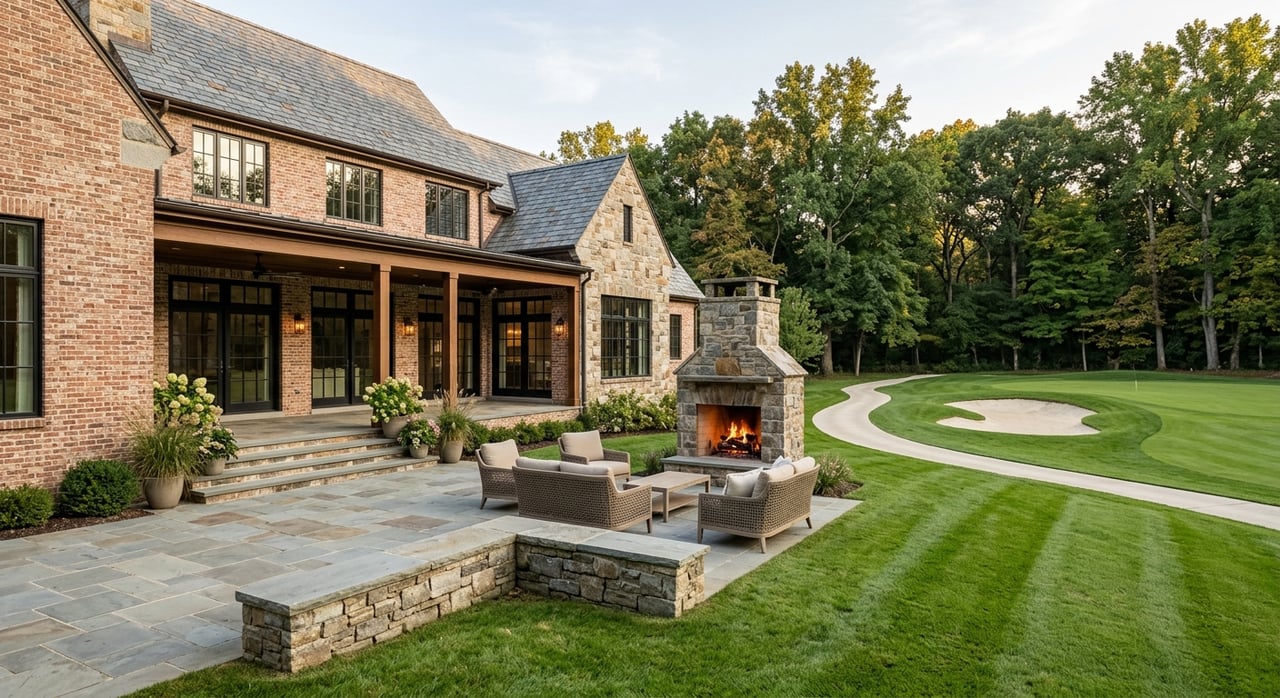
Thinking about buying in The Point? This Lake Norman community offers a mix of golf, waterfront living, and large-lot homes, but the details behind each property can vary more than many buyers expect. If you want to understand how club membership, HOA costs, septic systems, and shoreline rules can affect your decision, this guide will help you ask smarter questions before you write an offer. Let’s dive in.
What makes The Point unique
The Point is a peninsula community in Mooresville on Lake Norman, and its setting shapes the ownership experience. According to The Point POA, the neighborhood includes about 18 miles of shoreline, more than 5 miles of walking trails, and spacious homesites, with most lots at least three-quarters of an acre.
The community also has a village-style layout. The public map identifies 17 villages, including Aberdeen, Harwick, Main Village, Kittansett, Chatham, and Sconset, which means your experience can feel different depending on where a home sits within the neighborhood. One street may lean more wooded and private, while another may have stronger golf or water orientation.
The lot count should be treated as approximate until a specific parcel is confirmed. The POA public fact page references 862 lots, while 2026 annual meeting materials reference 867 lots with 12 undeveloped, so buyers should verify the details tied to the property they are considering.
Golf and club life at The Point
One of the biggest draws in The Point is the club environment. The community is built around an 18-hole Greg Norman-designed course operated by Trump National Golf Club Charlotte, and The Point POA states that all owners are at least social members of the club.
That matters because life here is not just about golf. On the club side, membership options include Full Golf, Sports, Health & Fitness, and Social tiers, with access that may include golf, dining, tennis, pickleball, fitness, pool amenities, ballrooms, and bakery services depending on membership category.
Current club information also points to a broad amenity package. Trump National highlights lakeview dining, and its published amenities include four Har-Tru clay courts, four hard courts, six pickleball courts, and a renovated pool complex with a splash pool, six-lane lap pool, cabana dining, and swim instruction.
For you as a buyer, the key takeaway is simple: verify the exact membership category, required level, and ongoing club charges early. A home in The Point may come with access expectations that shape your monthly and annual ownership costs.
Waterfront, golf-course, and wooded homes
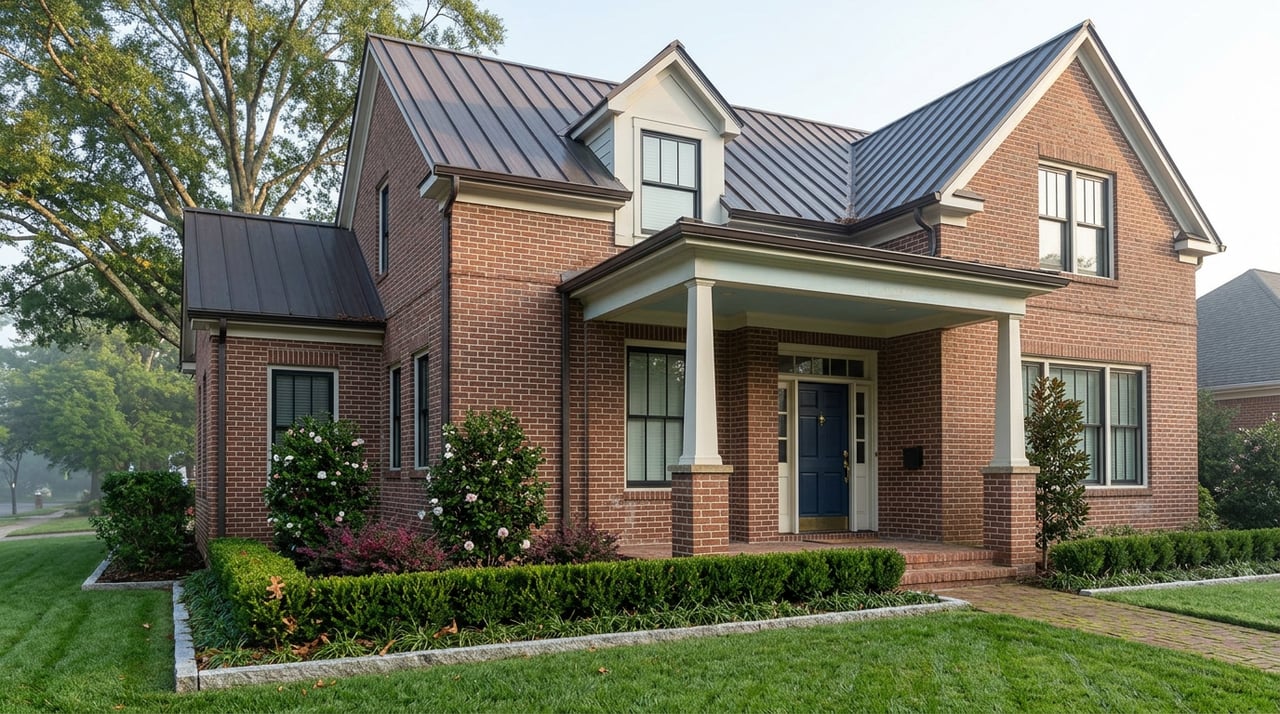
Not every property in The Point offers the same kind of setting. Current market examples show a range that includes waterfront estates, golf-course homes, wooded homesites, lots with water views, and parcels with lake access. That means the value of a home is often tied closely to its specific orientation and use.
For example, current listings on Realtor.com show how features like a boat slip, floating dock, golf-course frontage, wooded privacy, or water views can shape both price and buyer interest. In a community like The Point, two homes with similar square footage can live very differently based on where they sit.
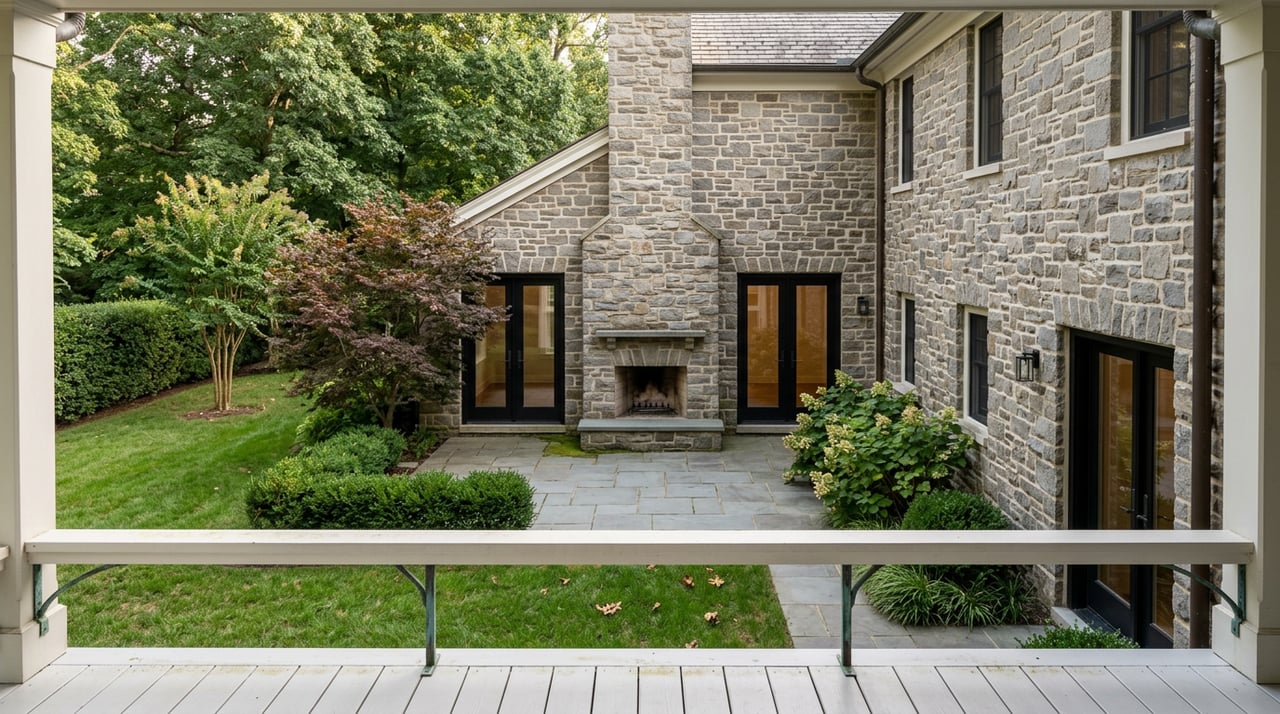
The POA also describes the neighborhood as tree-lined and active, with village green space and walking trails. That supports what many buyers discover during tours: the community has a consistent identity, but individual homes can offer very different day-to-day experiences.
HOA documents deserve early review
If you are serious about buying in The Point, one of the smartest moves is to review the HOA packet early. The community is governed through a layered set of documents, including CCRs, bylaws, architectural guidelines, rules and regulations, and amendments that address issues such as boat slips, pier associations, and sub-association matters.
This is important because the details may affect how you use the property. If you are thinking about exterior changes, shoreline improvements, or ownership of a property within an area that has added sub-association rules, you will want clarity before you are under contract pressure.
In practical terms, The Point is not the kind of neighborhood where buyers should assume every lot works the same way. A careful document review can help you avoid surprises and make a more confident decision.
Understanding assessments and ownership costs
A common mistake buyers make in club and waterfront communities is focusing only on the purchase price. At The Point, your carrying costs may involve several separate items, not one simple HOA fee.
According to The Point 2026 annual materials, the budget reflects an approximately 3% assessment increase, a general assessment of $2,075 allocated among 867 lots, pass-through assessments totaling $614,275 for items such as septic, pier assessments, property tax, and boat-slip lease obligations, plus $36,965 in specified reserve assessments for private drives. The same materials also note a management-company transition to Premier Management effective April 1, 2026.
For budgeting purposes, it helps to think in layers:
- Mortgage
- Property taxes
- Insurance
- POA assessment
- Any pass-through or private-drive charges tied to the parcel
- Club membership costs
- Septic-related upkeep
- Any shoreline, dock, or boat-slip expenses
This broader view lines up with consumer guidance from the CFPB on HOA dues and Freddie Mac on budgeting for HOA fees, both of which note that HOA-related costs are typically separate from your mortgage payment and may rise over time.
Septic matters more than many buyers expect
Septic is a major ownership topic in The Point. The POA states on its septic systems page that every lot has its own septic system and that Wind River performs two inspections per year, with those inspections covered by a portion of the annual POA assessment.
This can become especially important if you are considering future upgrades. The same POA page notes that Wind River can also handle system relocation for pools, which is a useful planning point if you hope to add outdoor features later.
Before you buy, ask for the septic inspection history and talk through any future improvement plans that could affect the system. A beautiful backyard can still have practical limits that matter for long-term use.
Waterfront rules and dock considerations
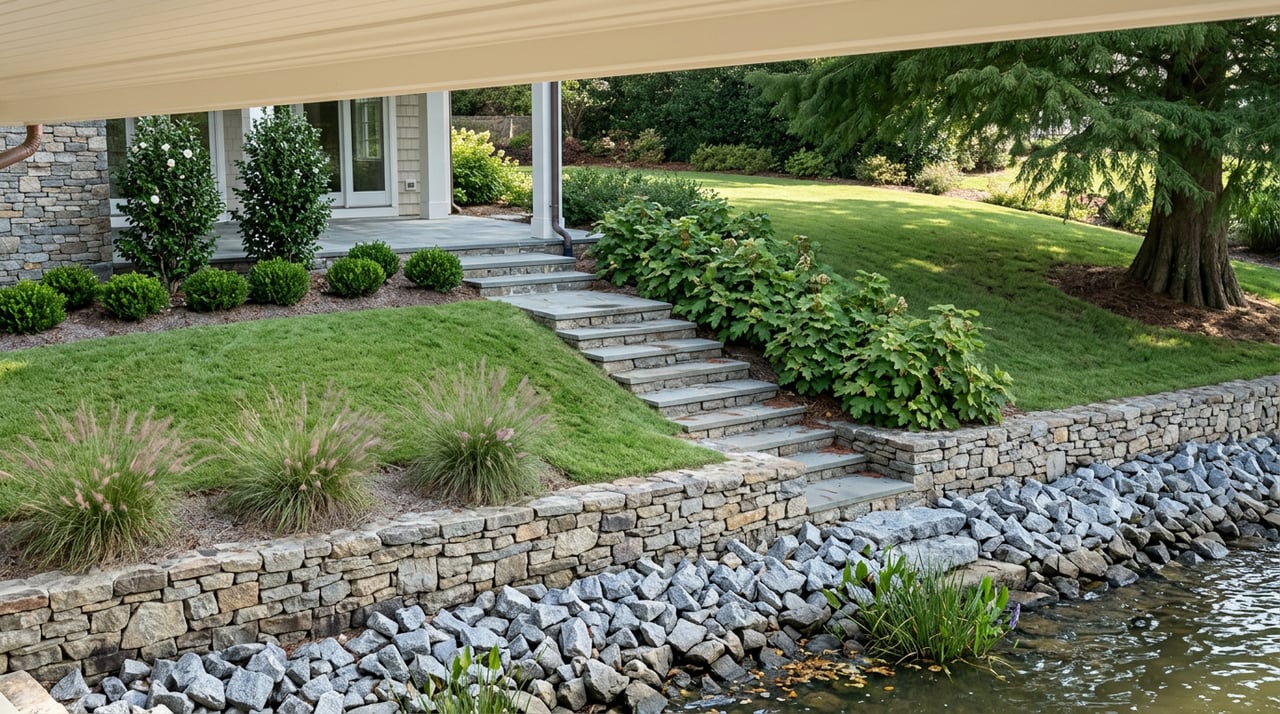
If you are buying on the water, the shoreline itself comes with another layer of due diligence. Duke Energy’s lake services guidance explains that changes involving docks, piers, shoreline stabilization, dredging, and similar work on Duke-managed lakes require permitting.
That means you should not assume an existing dock, proposed improvements, or shoreline work can move forward without review. If a property includes a boat slip or dock-related feature, confirm the status of those improvements and ask what permits may be needed for future changes.
For waterfront buyers, this is one of the most important reality checks. The view may be immediate, but the rules behind waterfront ownership deserve close attention.
Smart questions to ask before you offer
When you narrow down a home in The Point, a focused review can save time and reduce risk. This is especially true if you are comparing multiple property types within the same community.
Start with these questions:
- Is the parcel waterfront, golf-course, or primarily wooded?
- Does the property include a boat slip, dock rights, or lake access features?
- What is the current POA assessment breakdown for this parcel?
- Are there pass-through assessments or private-drive charges?
- What club membership category applies, and what are the current costs?
- What is the septic inspection history?
- If you want a pool or major outdoor project, how could septic affect the plan?
- If the property is on the lake, are any Duke Energy permits relevant now or later?
- Are there any sub-association rules or village-specific restrictions to review?
These are the kinds of details that help you compare homes more accurately. In The Point, the fine print often matters just as much as the finish level.
Why local guidance helps in The Point
The Point is one of those communities where broad impressions are not enough. You are not just buying a house. You are evaluating lot position, membership structure, HOA layers, septic logistics, and possibly waterfront permitting at the same time.
That is why local guidance can make a real difference. A clear review of property-specific costs, documents, and use restrictions helps you move from admiration to informed decision-making.
If you are considering a home in The Point or anywhere around Lake Norman, Christy Walker can help you evaluate the full picture with local insight and concierge-level support.
FAQs
What should buyers know about HOA costs in The Point?
- Buyers in The Point should expect more than one HOA-related line item, since published community materials show a general assessment plus potential pass-through and private-drive related charges depending on the parcel.
What should buyers know about golf membership in The Point?
- Buyers in The Point should verify the required club membership level and current charges directly with Trump National Golf Club Charlotte, because the club publishes multiple membership tiers and owner access starts at least at the social level.
What should buyers know about septic systems in The Point?
- Buyers in The Point should know that each lot has its own septic system, with two inspections per year handled by Wind River and covered in part through the annual POA assessment.
What should buyers know about waterfront permits in The Point?
- Buyers considering waterfront property in The Point should confirm whether existing or future dock, pier, dredging, or shoreline work requires approval through Duke Energy’s permitting process.
What should buyers compare when choosing a home in The Point?
- Buyers in The Point should compare whether a home is waterfront, golf-course, or wooded, along with boat-slip status, membership costs, HOA charges, and septic considerations, because those factors can materially affect value and ownership experience.